01 · Note
What the note claims
He has not written at length on ecology. It surfaces in the essays as a source rather than a subject, and this page keeps to that scale.
The island still matters to how he reads scale: the coast is close enough to teach, the hurricane close enough to test. But that is context, not a thesis.
02 · Note
Borrowed principles
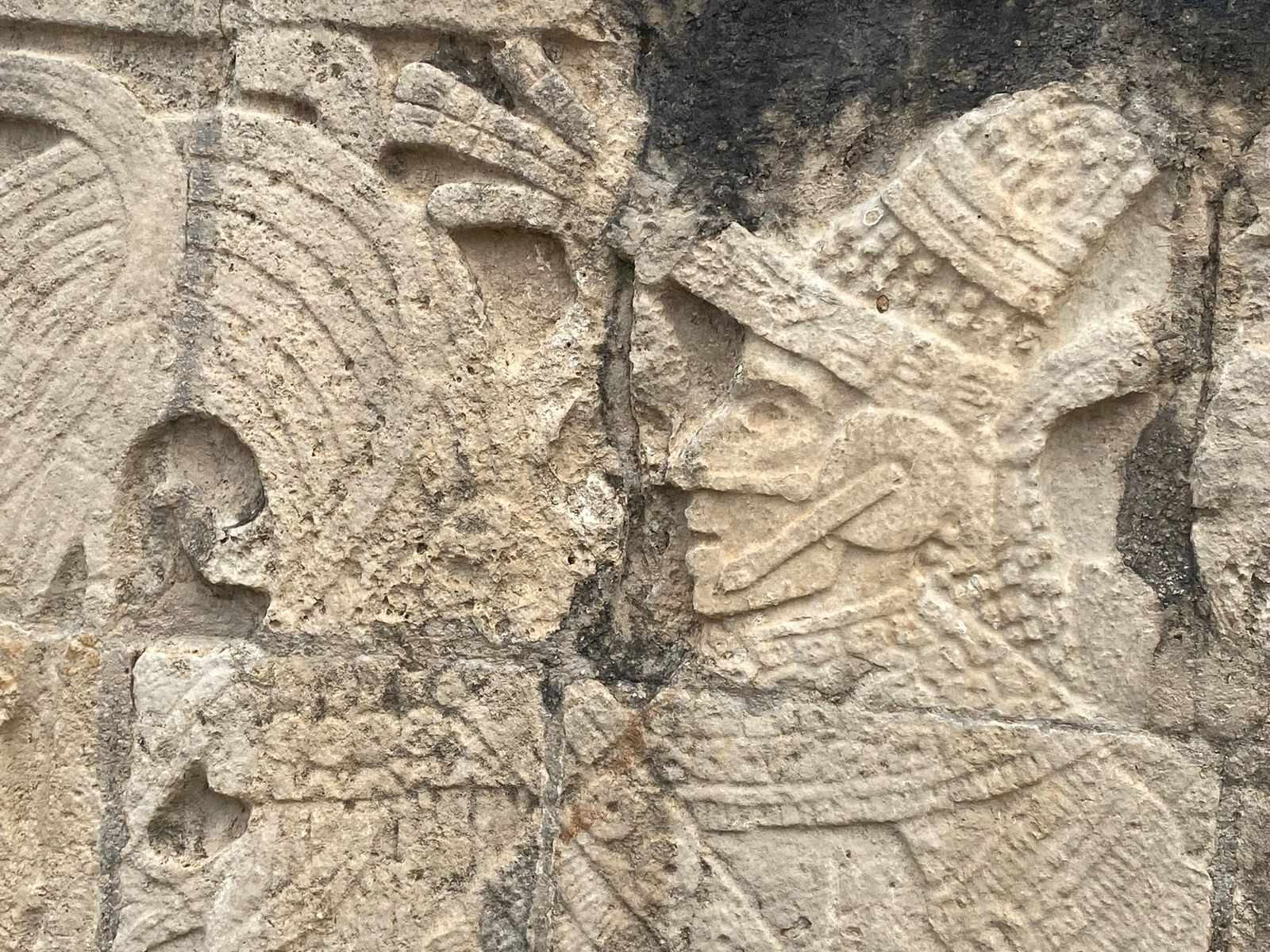
Most of the ethical vocabulary now attached to artificial intelligence, precaution, stewardship, carrying capacity, irreversibility, the duty owed to people who are not yet in the room, was developed first in ecological conservation.
Naming the loan matters. It tells you the arguments are older than the technology, and that they were tested on systems we already knew how to ruin.
03 · Note
Where it leads
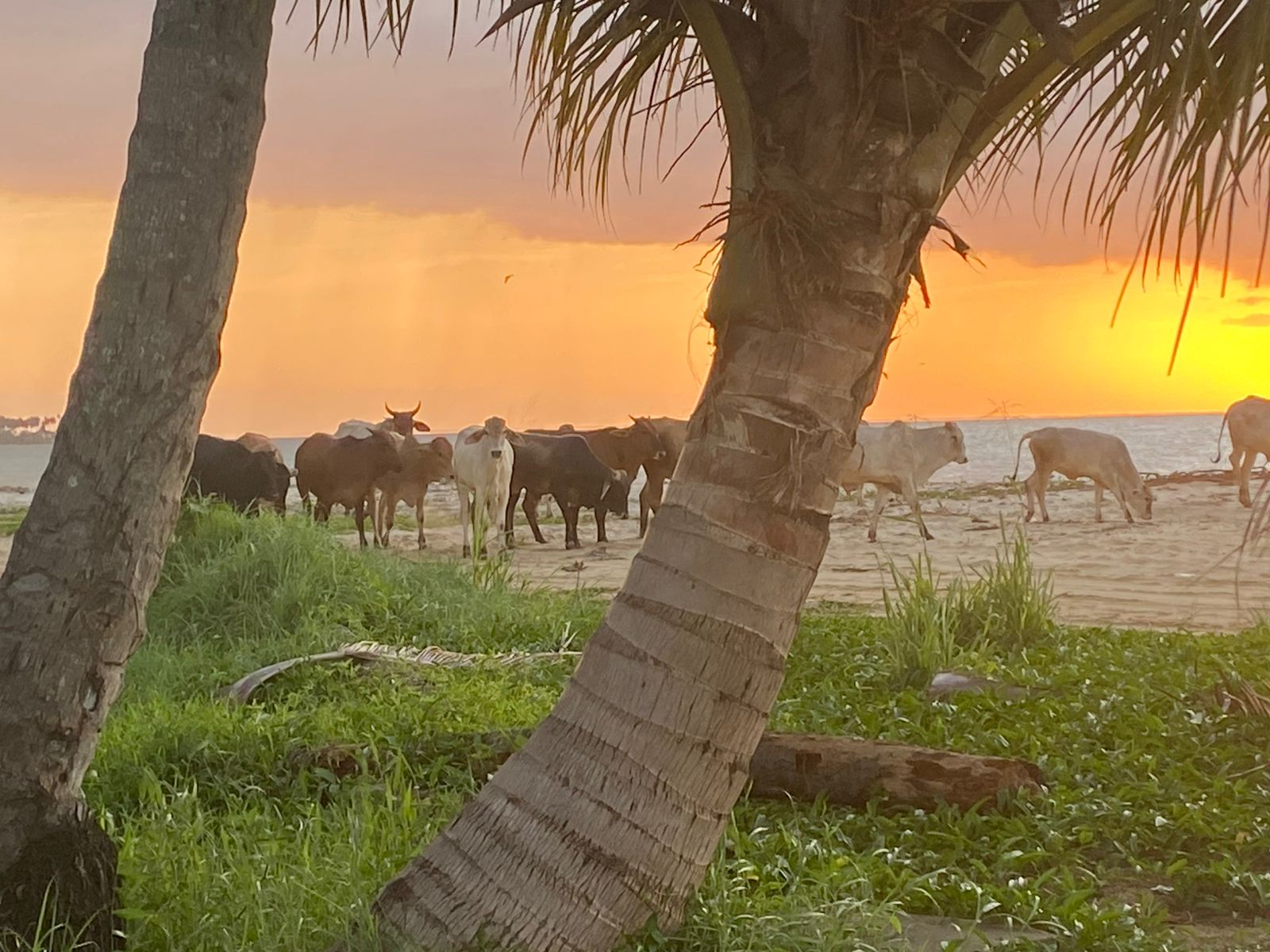
The through line for him runs from conservation to Omeros AI: long time horizons held next to short political ones, without flinching.
If ecology earns a longer treatment later, it will be there, in the ethics, rather than in a curriculum chapter of its own.