

01 · Section
Inherited geometry
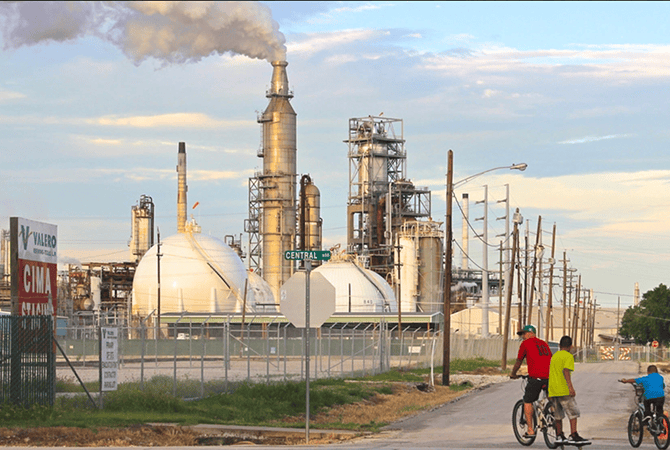
Colonial economies left a geometry, concentrated land, concentrated capital, concentrated attention in a few addresses, that the post-independence state has rearranged but not dissolved.
Every classroom in the region is a small experiment in whether that geometry is going to be reproduced or unsettled by the next generation.
02 · Section
The capability gap
Sen's argument is exact here. Inequality is not principally an inequality of resources. It is an inequality of capabilities, of what a person, given their circumstances, can actually do and be.
A pedagogy organised around capability does not pretend the playing field is level. It builds the player.
03 · Section
What the classroom owes
We owe the child who arrived hungry the same standard of work as the child who arrived rested. We owe both of them an honest account of the world they will enter, including the parts they will have to change.
Inequality is not a problem to be solved in a single chapter. It is a condition to be argued with, openly, in front of the students it most affects.